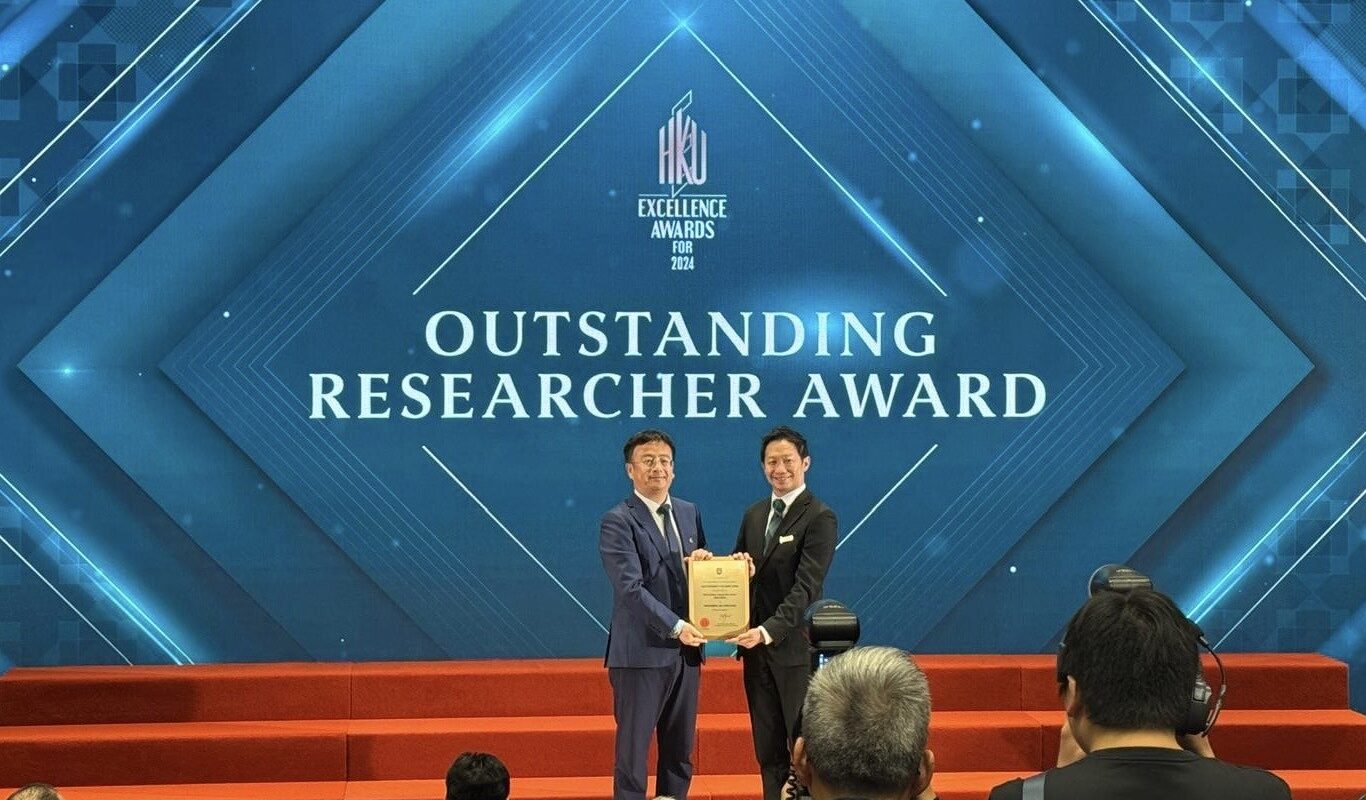
2024 – Prof. Li Ji, School of Modern Languages and Cultures
At the Frontier of God’s Empire - A Missionary Odyssey in Modern China
This monograph is a landmark book and a major contribution to the history of China and to missionary history. Based on rigorous archival research, Prof. Li weaves a masterful narrative from extraordinary source materials. She used unpublished first-hand evidence to explore everyday interactions between local people as well as members of international communities along China’s frontier, and thereby sheds new light on important issues in modern Chinese history, from mass migration to tensions between church and state, to the importance of cross-cultural exchanges for people at the social and cultural margins. Prof. Li presents us with a window onto everyday interactions within grassroots society in Manchuria in a period of rapid transformation, including during the collapse of the Qing Empire.
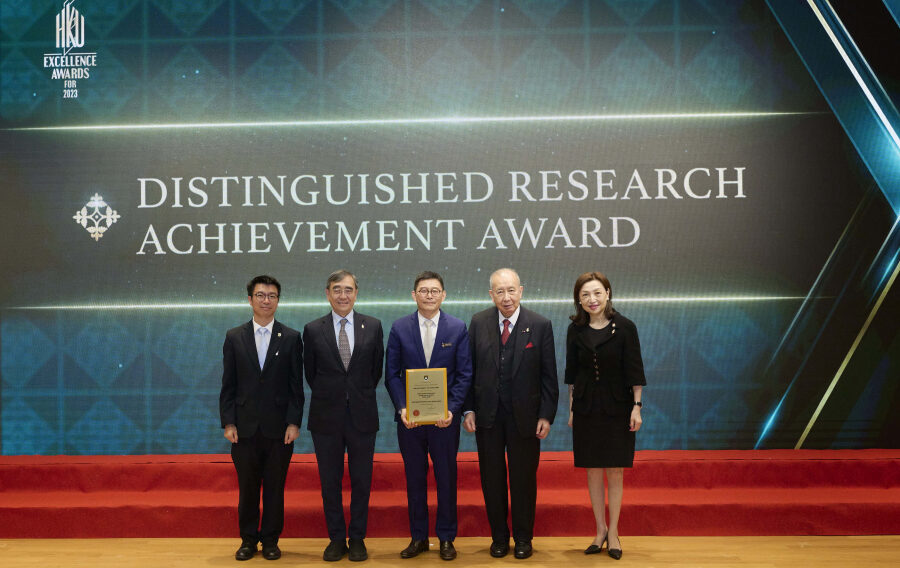
2023 – Prof. John D Wong, School of Modern Languages and Cultures
Hong Kong Takes Flight: Commercial Aviation and the Making of a Global Hub, 1930s-1998
Prof. Wong offers a comprehensive historical analysis of how commercial aviation shaped Hong Kong’s economic and geopolitical landscape from the 1930s to 1998. He argues that Hong Kong’s emergence as an international airline hub was not predetermined or an automatic result of globalization. Instead, the book emphasizes the active roles played by policymakers and business leaders who negotiated, asserted influence, and strategically shaped Hong Kong’s aviation sector in response to international pressures and opportunities. It also examines how local actors articulated their interests by balancing economic gains with expressions of modernity, providing valuable insights into how aspirations for progress and identity became intertwined with economic and infrastructural development.
Collectively, these perspectives offer a nuanced and critical understanding of how Hong Kong’s aviation industry functioned both as a product of broader globalization processes and as a driving force behind them.
2022 – Prof. Tim Gruenewald, School of Modern Languages and Cultures
Curating America’s Painful Past: Memory, Museums, and the National Imagination
In response to police violence and the resulting national protests, activists and public figures across the social and political spectrum have repeatedly called for a fundamental reevaluation of America’s relationship with its troubled past. The book answers this call by exploring how painful past is remembered and forgotten in the context of national memory, including the remembrance of collective violence, crimes against humanity, and collective traumata. While acknowledging how national memory has become increasingly inclusive of dark histories in recent decades, the study reveals how the most important historical museums of the National Mall in Washington, DC continue to integrate memory of painful past within dominant ideologies of the national imaginary. Collectively, they combine to present a national narrative that limits a more profound critique of national responsibility and thus foreclose an avenue of addressing systemic injustice in the present that is rooted in the past.